

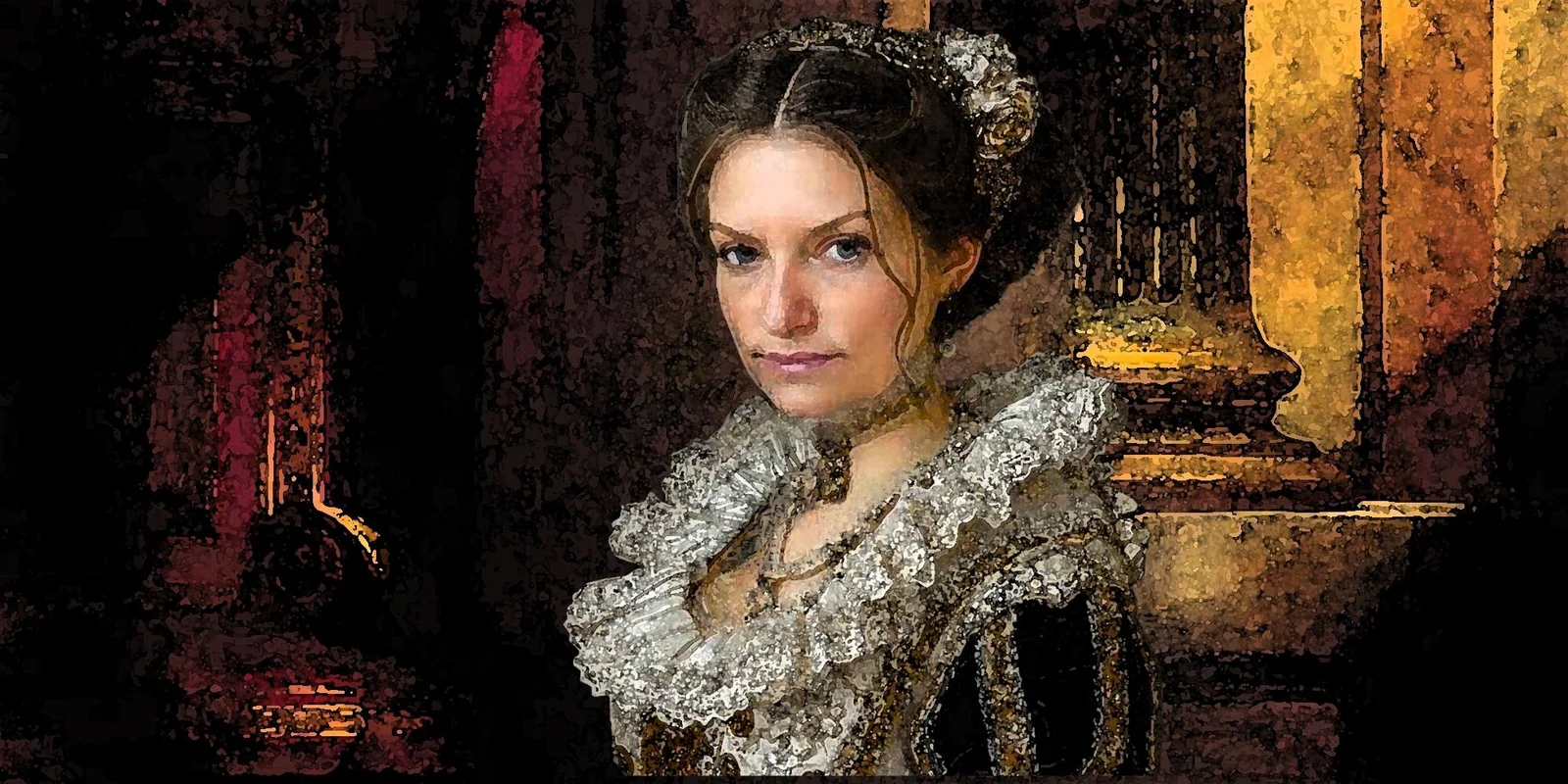
Writing Historical Fiction: 5 Key Tips for Authentic Storytelling
Writing a historical fiction novel is both an artistic and intellectual challenge. It requires a careful balance between imagination and accuracy, creativity and discipline. Unlike other genres, historical fiction demands that the writer build a compelling story while remaining faithful to a specific time period. Readers of historical fiction expect to be transported—not just entertained. They want to feel the textures of the era, hear the rhythms of its language, understand its social norms, and experience its conflicts as if they are living through them. To achieve this level of immersion, a writer must approach the craft with intention, research, and a deep respect for the past.
Research the foundation of the background for your story
The first and perhaps most critical step in writing historical fiction is thorough research. Authenticity is the foundation upon which the entire story rests. Readers may forgive minor inaccuracies, but glaring historical errors can shatter immersion and undermine credibility. Research should go beyond major events and famous figures. While wars, political movements, and landmark moments provide important context, daily life is often what makes a story feel real. What did people eat? How did they travel? What were their fears, customs, and expectations? What words did they use in conversation? Understanding clothing, social hierarchies, occupations, gender roles, religious beliefs, and economic conditions allows a writer to build a world that feels lived-in rather than staged. However, research should inform the story, not overwhelm it. The goal is not to display historical knowledge on every page, but to weave it naturally into the narrative so that the setting feels organic.
Equally important is choosing a specific and manageable time frame. Broad historical periods can be difficult to handle without becoming vague or superficial. Instead of writing about “the Renaissance” or “the Great Depression” in general terms, narrowing the focus to a particular year, city, or event allows for greater depth and specificity. A tightly defined setting provides clarity and helps shape character motivations. It also prevents the story from becoming diluted by too many competing historical elements. A concentrated scope encourages vivid detail and stronger narrative cohesion, giving readers a clear sense of place and time.
Create strong characters that feel authentic against the backdrop
Strong characters are the heartbeat of historical fiction. While the setting may draw readers in, it is the characters who keep them turning pages. The most effective historical novels present characters who feel emotionally authentic, even if they are navigating unfamiliar social structures. When crafting characters, it is essential to understand how the time period shapes their worldview. A character living in the nineteenth century will think differently about class, gender, race, religion, and authority than a modern individual. Their decisions and internal conflicts must reflect the norms and limitations of their era. At the same time, readers need points of connection—universal emotions such as love, ambition, jealousy, grief, and hope. The tension between historical constraints and human universality creates depth and resonance.
Another key consideration is how to integrate real historical figures and events into the narrative. Some writers choose to center their novels around actual people, while others create fictional protagonists who exist alongside historical events. Both approaches can be effective, but they require care. When using real figures, accuracy becomes even more crucial. Their actions, personalities, and timelines should align with documented history unless the work intentionally reimagines events. When fictional characters move through real historical events, those events should influence the plot in meaningful ways rather than serving as decorative background. The historical moment should create stakes, obstacles, or opportunities that shape the characters’ journeys.
Create dialogue that is authentic to the time period including sensory details
Dialogue presents a unique challenge in historical fiction. Writers must strike a balance between authenticity and readability. Overly modern language can break immersion, but excessively archaic phrasing can alienate readers. The goal is to suggest the cadence and tone of the period without making the dialogue difficult to follow. Studying letters, diaries, and literature from the era can provide insight into speech patterns and vocabulary. Subtle word choices, formalities, and cultural references can convey a sense of time without overwhelming the reader. It is also important to avoid anachronisms, ideas or phrases that did not exist during the chosen period.
Sensory detail plays a powerful role in transporting readers to another time. Historical fiction thrives on atmosphere. Descriptions of sounds, smells, textures, and landscapes bring depth to the setting. The creak of wooden ships, the soot-filled air of an industrial city, the scent of fresh bread in a medieval marketplace, or the tension in a crowded political rally can make the past vivid and immediate. These details should serve the story rather than distract from it. Carefully chosen sensory elements enhance immersion and help readers feel grounded in the world you have created.
Conflict in historical fiction often arises from the tension between individuals and their societal context. Social norms, political upheaval, economic hardship, and cultural expectations can all create obstacles for characters. A woman seeking independence in a restrictive era, a soldier questioning loyalty during wartime, or a family navigating migration and displacement all reflect conflicts shaped by history. By allowing the historical setting to generate internal and external struggles, the story becomes more cohesive and meaningful. The era should not simply be a backdrop but a force that actively influences the narrative arc.
Maintaining narrative momentum is essential. Historical exposition, while necessary, should not stall the plot. Readers engage most deeply when information is revealed through action, dialogue, and character experience rather than lengthy explanations. Instead of pausing the story to describe political structures or economic systems, show how those systems impact your characters. Let readers learn about rationing through an empty pantry, about censorship through a confiscated letter, or about class divisions through a forbidden romance. This approach keeps the story dynamic and emotionally engaging.
Remain ethical with sensitive topics avoiding romanticizing pain and suffering
Ethical responsibility also plays a significant role in historical fiction. Writers often explore sensitive topics such as war, oppression, slavery, discrimination, or cultural conflict. These subjects require thoughtful handling and respect for the lived experiences of those who endured them. Avoid romanticizing suffering or simplifying complex historical realities. When writing outside your own cultural or experiential background, careful research and sensitivity are especially important. Historical fiction has the power to illuminate forgotten voices and bring marginalized stories to light, but it must do so with integrity.
Finally, revision is crucial. After drafting the manuscript, review it with a critical eye for consistency and accuracy. Double-check timelines, verify details, and ensure that character behavior aligns with the norms of the era. Beta readers or historical consultants can offer valuable feedback. They may catch inaccuracies or identify moments where the setting feels thin. Refining both the emotional arc and the historical framework strengthens the novel and enhances its impact.
Writing a historical fiction novel is an immersive journey into another time. It demands curiosity, patience, and a commitment to authenticity. By conducting thorough research, narrowing your focus, developing complex characters shaped by their era, integrating historical events meaningfully, crafting believable dialogue, and maintaining narrative momentum, you can create a story that feels both authentic and emotionally compelling. When done well, historical fiction does more than recount the past, it allows readers to experience it. It bridges centuries, connecting modern audiences with the hopes, fears, and struggles of those who came before. Through careful attention to detail and deep empathy for the people of another era, you can transform history from distant record into living story.
In conclusion, writing a historical fiction novel is a delicate balance between imagination and authenticity, requiring both meticulous research and creative storytelling. By grounding your narrative in accurate historical details, focusing on a specific time and place, and crafting complex characters whose thoughts and actions are shaped by their era, you can transport readers into the past while keeping them emotionally invested. Integrating real events and figures thoughtfully, using dialogue and sensory details to evoke the period, and allowing history itself to generate conflict will make the story feel alive rather than decorative.
Maintaining narrative momentum, handling sensitive topics ethically, and revising for consistency ensures that both the historical framework and the characters’ journeys are believable and compelling. Ultimately, historical fiction succeeds when it does more than recount events; it immerses readers in another world, bridging centuries and connecting modern audiences to the hopes, struggles, and emotions of those who lived before. Through careful attention to detail, empathy, and storytelling craft, writers can transform history into a vivid, unforgettable experience that resonates long after the last page is turned.